Skip to content Skip to sidebar Skip to footer

Gemini 3.1 Flash TTS: New text-to-speech AI model

Today, we’re introducing Gemini 3.1 Flash TTS, the latest text-to-speech model that delivers improved controllability, expressivity and quality — empowering developers, enterprises and everyday users to build the next generation of AI-speech applications. Starting today, 3.1 Flash TTS is rolling out: Improved speech quality and controllability We’ve improved the overall speech quality of Gemini 3.1…

Read More

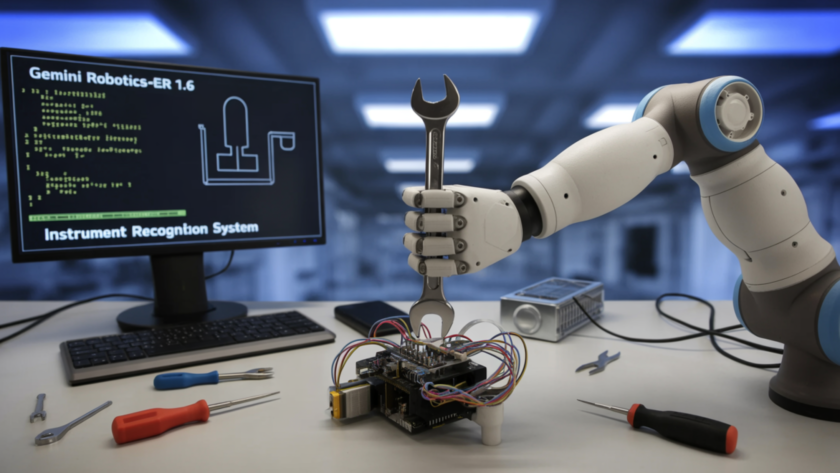
Google DeepMind Releases Gemini Robotics-ER 1.6: Bringing Enhanced Embodied Reasoning and Instrument Reading to Physical AI

Google DeepMind research team introduced Gemini Robotics-ER 1.6, a significant upgrade to its embodied reasoning model designed to serve as the ‘cognitive brain’ of robots operating in real-world environments. The model specializes in reasoning capabilities critical for robotics, including visual and spatial understanding, task planning, and success detection — acting as the high-level reasoning model…

Read More

Why AI-Native IDP Outperform Legacy IDPs Document Workflows

The gap between AI-native document processing platforms and legacy vendors like ABBYY and Kofax runs deeper than OCR accuracy or feature parity. These products reflect fundamentally different operating philosophies - and those differences compound over time in ways that matter commercially. Organizations that treat this as a like-for-like technology comparison tend to underestimate the total…

Read More

Meta Superintelligence Lab Releases Muse Spark: A Multimodal Reasoning Model With Thought Compression and Parallel Agents

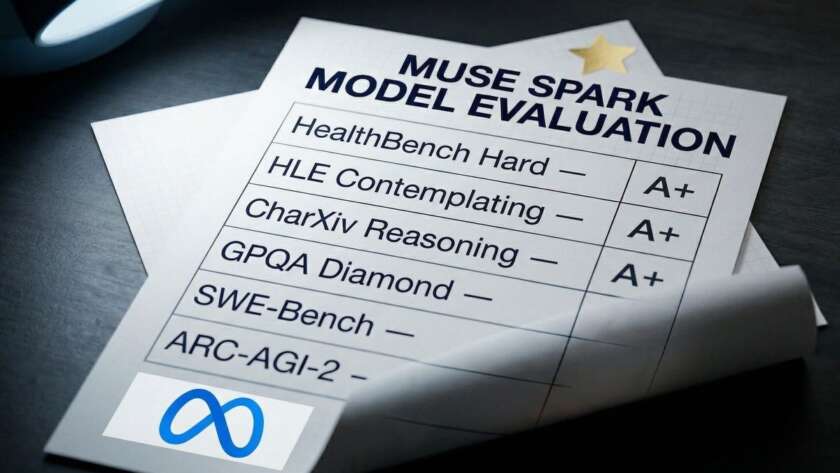
Meta Superintelligence Labs recently made a significant move by unveiling ‘Muse Spark’ — the first model in the Muse family. Muse Spark is a natively multimodal reasoning model with support for tool-use, visual chain of thought, and multi-agent orchestration. https://ai.meta.com/static-resource/muse-spark-eval-methodology What ‘Natively Multimodal’ Actually Means When Meta describes Muse Spark as ‘natively multimodal,’ it means…

Read More

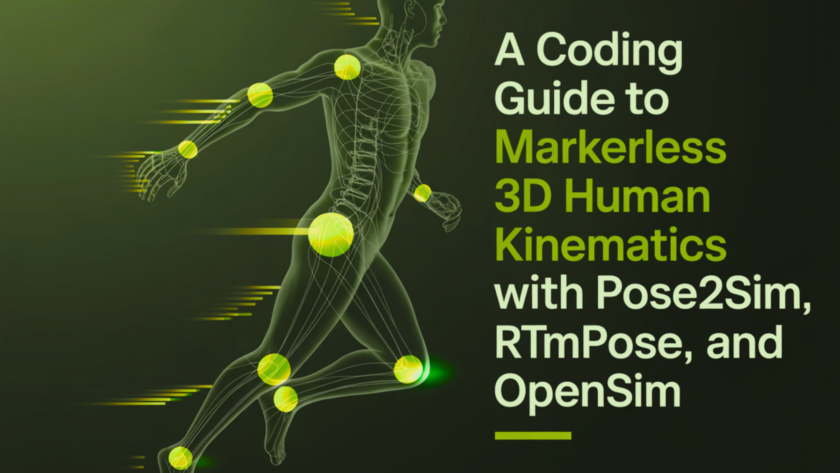
A Coding Guide to Markerless 3D Human Kinematics with Pose2Sim, RTMPose, and OpenSim

import numpy as np import matplotlib.pyplot as plt from mpl_toolkits.mplot3d import Axes3D from pathlib import Path import re def parse_trc(trc_path): """Parse a .trc file and return marker names, frame data, and metadata.""" with open(trc_path, 'r') as f: lines = f.readlines() meta_keys = lines[2].strip().split('\t') meta_vals = lines[3].strip().split('\t') …

Read More